








Healthcare Software Solutions: Revolutionizing Patient Care
In today's healthcare landscape, technology plays a vital role in improving patient outcomes and streamlining clinical workflows. Healthcare software solutions have emerged as a crucial component of this shift towards digital transformation. These innovative tools are designed to support medical professionals, enhance patient experiences, and drive operational efficiency.
Key Points
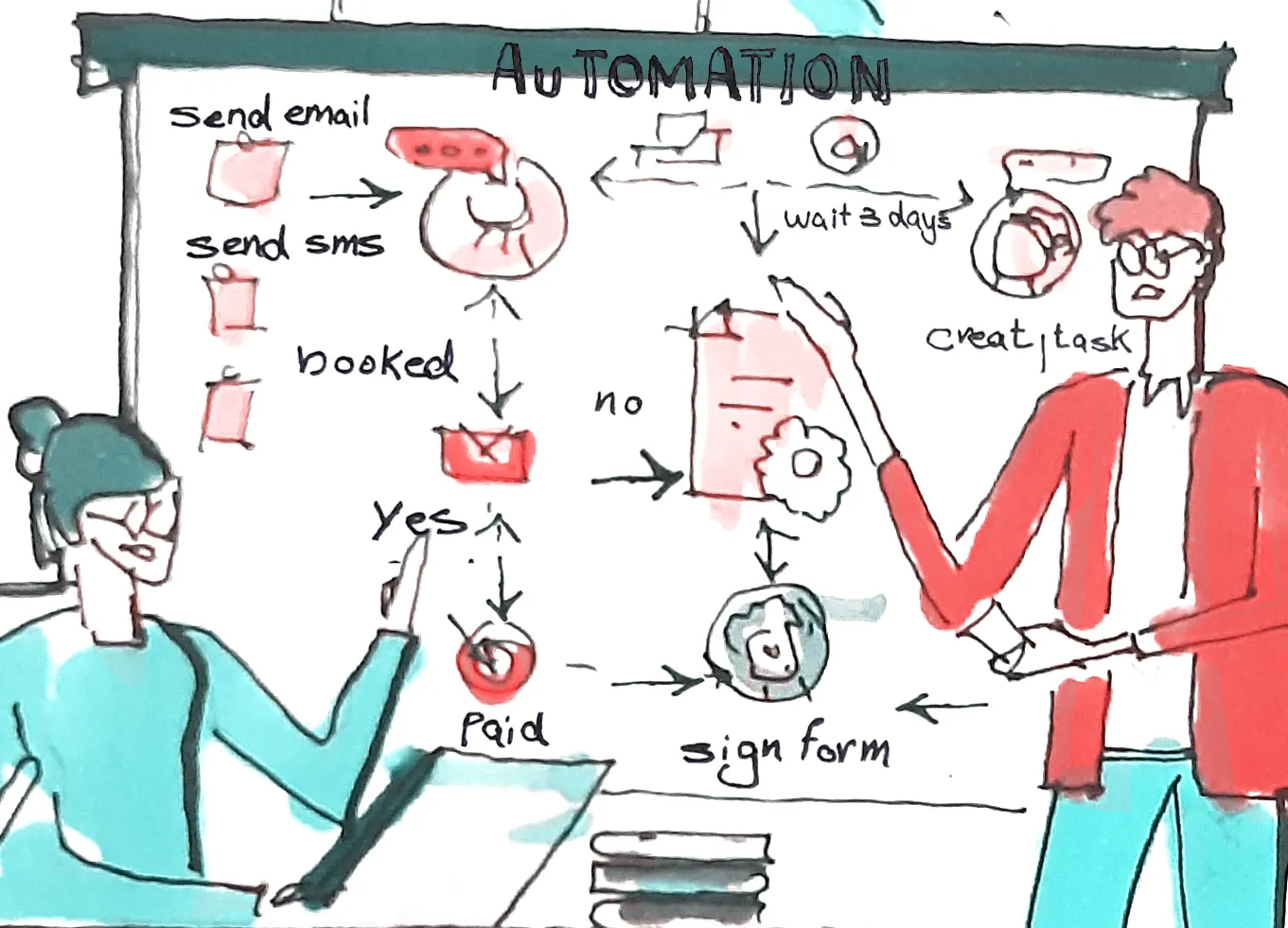
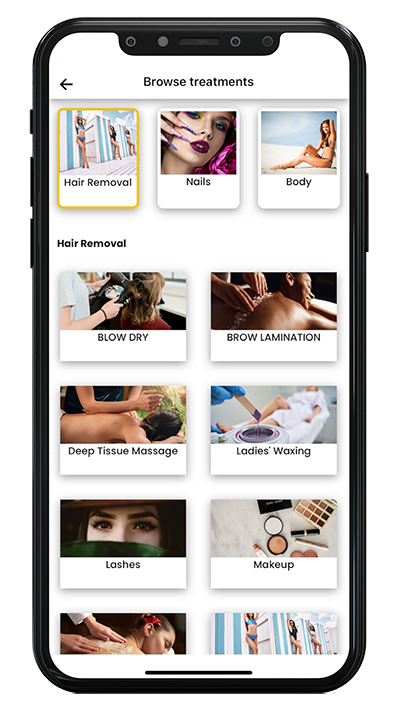
1. Streamlined Clinical Workflows Healthcare software solutions offer a range of tools and platforms that simplify clinical workflows, reducing administrative burdens and allowing healthcare providers to focus on delivering high-quality patient care. Electronic health records (EHRs), for instance, enable healthcare professionals to access patient information securely and efficiently. 2. Improved Patient Engagement Healthcare software solutions can also enhance patient engagement and experience. Telemedicine platforms, for example, allow patients to consult with healthcare providers remotely, improving accessibility and reducing wait times. Mobile apps can be used to monitor vital signs, share medical histories, and provide personalized health advice. 3. Enhanced Data Analytics Healthcare software solutions often come equipped with advanced data analytics capabilities, enabling healthcare organizations to gain insights into patient outcomes, disease trends, and operational performance. This information can be used to inform clinical decision-making, optimize resource allocation, and drive quality improvement initiatives. 4. Security and Compliance Healthcare software solutions must meet stringent security and compliance standards, protecting sensitive patient data and maintaining confidentiality. Advanced encryption techniques, secure authentication protocols, and regular software updates are just a few measures employed to ensure the integrity of healthcare data. 5. Innovation and Integration The healthcare software market is rapidly evolving, with new technologies and platforms emerging regularly. Cloud-based solutions, artificial intelligence (AI), and machine learning (ML) are just a few examples of innovative features being integrated into healthcare software solutions. These advancements enable healthcare providers to access real-time data analytics, automate routine tasks, and personalize patient care. 6. Cost-Effectiveness Healthcare software solutions can also offer significant cost savings for healthcare organizations. Automated workflows, streamlined clinical processes, and reduced administrative burdens can all contribute to lower operational costs. Moreover, the scalability of cloud-based solutions allows healthcare providers to adapt quickly to changing demands without incurring significant upfront investments. 7. Accessibility and Equity Finally, healthcare software solutions have the potential to improve accessibility and equity in healthcare delivery. Telemedicine platforms, for example, can bridge geographic gaps, enabling patients in remote or underserved areas to access specialist care. Mobile apps can also facilitate patient engagement and education, empowering individuals to take a more active role in their health.
Conclusion
In conclusion, healthcare software solutions are transforming the way healthcare is delivered, from streamlining clinical workflows to improving patient experiences and driving operational efficiency. As the healthcare landscape continues to evolve, it is essential for healthcare organizations to stay at the forefront of innovation, leveraging cutting-edge technologies and platforms to enhance patient care and drive quality improvement initiatives. By embracing healthcare software solutions, healthcare providers can improve outcomes, reduce costs, and provide more equitable access to high-quality care.
What you should do now
Schedule a
Demo to see how Clinic Software can help your team.
Read more clinic management articles in our
blog and play our demos.
If you know someone who'd enjoy this article, share it with them via
Facebook,
Twitter, LinkedIn, or email.